
Music has always evolved with technology, from traditional instruments to digital production software. Another significant transformation that is being brought about by artificial intelligence today is the way sounds, melodies, and songs are being produced.
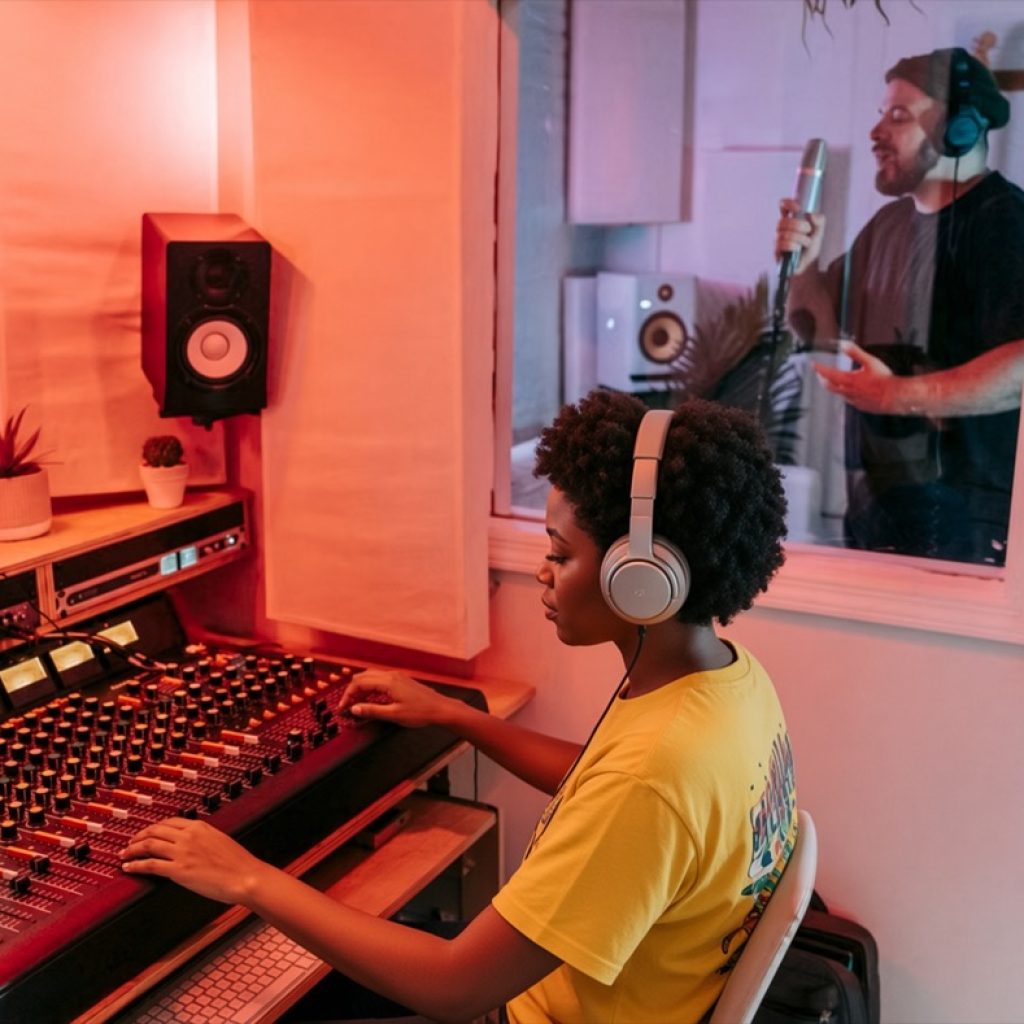
AI music generation enables artists to transform ideas, feelings, and written words into full-fledged sounds. With the increasing competitiveness of digital platforms, sound identity is gaining relevance for brands, creators, and artists.
There are applications such as Tad AI that are assisting users in discovering new forms of creativity by simplifying the process of producing music. Creators do not have to spend years mastering complex production techniques; instead, they can now experiment with high-quality sound using intelligent AI-driven workflows and creative help.
Moving Beyond Traditional Music Creation Methods
Old music production can be costly and needs technical skills and time. Professional tools offer freedom of creativity; however, they pose a barrier to beginners. The generation of music with AI is altering this process by enabling users to concentrate more on ideas than on technical constraints.
The current AI systems are capable of analysing creative instructions, interpreting moods and creating musical structures as a result of user input. High-end systems incorporate technologies such as waveform synthesis to generate more natural and detailed aural experiences.
This development brings a shift from simple sounds that were automated to classier compositions. AI does not take over the creativity but acts as an assistant that assists creators in converting imagination into sound.
How AI Technology Improves the Music Creation Workflow
Music AI-powered applications are created to simplify and liberalise the process of creativity. They assist users in taking an initial idea to a completed track by using smart automation and personalisation choices.
Smart Creation for Faster Results
Artificial intelligence can be used to create ideas for songs, lyrics and musical paths in a short time. This minimises blocks of creativity and enables users to consider various possibilities.
Custom Controls for Creative Direction
The preferences that guide the output of creators are genre, mood, instruments and rhythm. These effects contribute to the formation of the general identity of a track.
AI-Assisted Lyrics and Composition
The sophisticated systems will be able to comprehend the themes and emotional needs to produce structured verses and choruses.
Supporting Different Types of Creators
Since musicians and video creators are in need of such tools, AI music can offer a wide range of possibilities to meet various creative demands.
The Role of AI Music in Modern Content Creation
Sound is now an essential element of experiences in digital form. Advertisements, videos, games, podcasts, and social media materials all rely on the use of interesting audio to capture attention. AI music generation assists composers in generating unique soundtracks that align with their content objectives without using generic alternatives.
Businesses are able to create their own audio identities, and independent creators can incorporate professionally-quality music in their projects. AI music creation platforms offer chances to experiment and create music more quickly.
These tools accommodate more users with features like automated composition, vocal generation and creative customisation. The outcome is a more open music ecosystem in which creativity is not confined by the old barriers of production.
Why AI Music Generation Matters for Modern Creators
The generation of music by AI is gaining value as it assists creators in overcoming the usual hurdles in the conventional production process. There are a lot of artists, marketers and content creators who require original audio, whereas there are no available professional studios or seasoned audio teams.
AI-based platforms are more efficient for browsing ideas, experimenting with styles and composing music to fit numerous digital projects. The AI-generated music has some significant advantages, including:
- Faster content production: Producers are able to generate music ideas faster without taking hours to create music manually.
- More creative experimentation: Users are less restricted to different genres, moods, and sound styles.
- Easy music production: Amateurs will be able to create good audio without any complex technical skills.
- Flexible applications: AI music can be used with videos, podcasts, adverts, games, Enhanced creativity process: and social media content.
- Automation comforts creators to work seamlessly between the original idea and a full musical composition.
With the further development of AI technology, these benefits will enable more individuals to be involved in music production and create their own sound experiences.
The Future of AI-Generated Sound Experiences
Human imagination and artificial intelligence are likely to be combined in the future of music creation. AI systems are becoming more capable of supporting various artistic processes and making realistic sounds, as well as comprehending creative instructions.
The future of music tools will keep on enhancing the way individuals create, edit and distribute music. Tad AI is an embodiment of this movement, as it allows creators to produce AI music in a more approachable and user-friendly way, without complex tools.
With the increasing immersion of the digital experience, sound will be even more important in reaching the audience. The use of AI in music is not an isolated technological hype; it is an emergent creative avenue that can be used by artists, businesses, and other digital storytellers.
Conclusion: AI Music Generation Is Shaping the Next Creative Era
The generation of music using AI is changing the manner in which individuals engage with the creation of sounds. It eliminates most of the conventional obstacles and provides creators with additional opportunities to explore melodic, lyrical, and production variations.
Artificial intelligence is broadening the creative possibilities in industries, both among beginners who are making their first songs and professionals who are experimenting with new concepts. Contemporary AI music generators enable users to create a high-quality piece of audio and retain control over their artistic direction.
With the further development of technology, the connection between human creativity and AI assistance will be even more powerful. It is those who are able to merge creativity with new technology to formulate meaningful and memorable audio experiences that will be the future of digital sound creation.