
The Amazon rainforest is widely recognized as one of the most diverse regions on the planet, not only in terms of biodiversity but also in cultural richness. It is home to numerous indigenous communities whose traditions have been preserved through centuries of close interaction with nature. These communities have developed complex systems of knowledge that are deeply connected to their environment, social structures, and collective values.
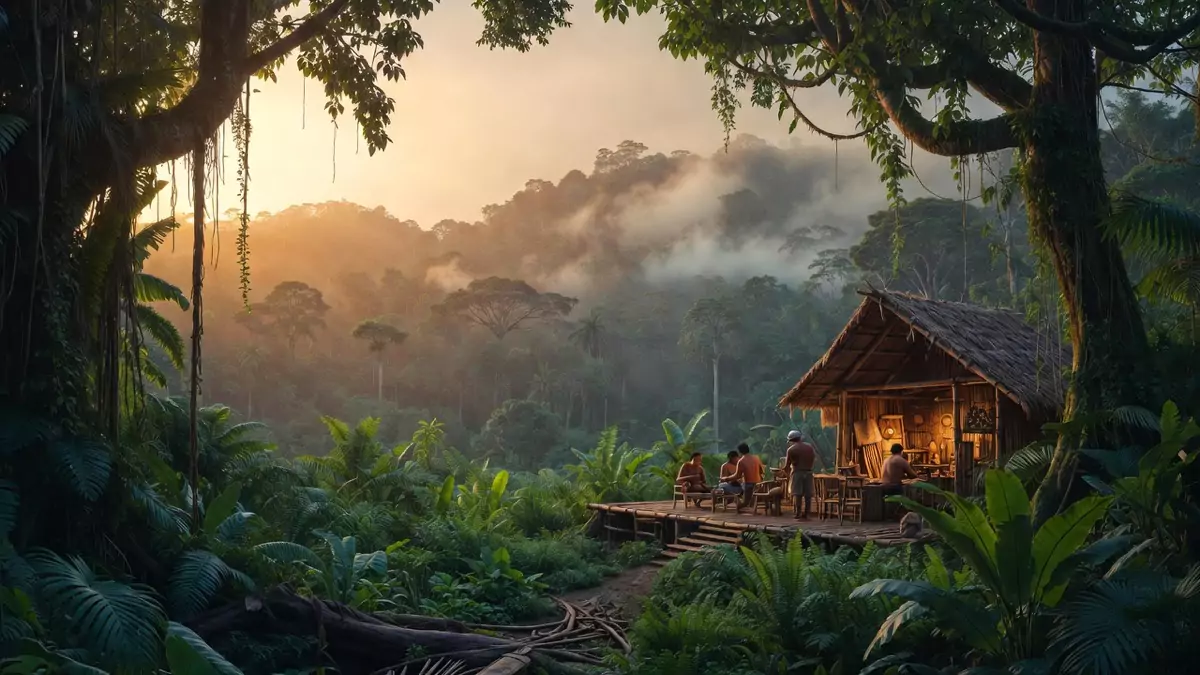
Cultural practices in the Amazon are not separate from everyday life; they are woven into the identity of each community. Traditions are passed down through generations, ensuring that ancestral knowledge remains relevant and meaningful. This continuity allows indigenous cultures to maintain a strong connection with their history while adapting to changing circumstances in the modern world.
The Foundation of Indigenous Knowledge
At the core of Amazonian traditions lies a deep respect for nature. Indigenous communities have long understood the importance of balance within their environment, and this understanding is reflected in their cultural practices. Knowledge about the natural world, including the use of various natural resources, has been developed through observation, experience, and oral tradition.
One aspect often highlighted in discussions of indigenous knowledge is the understanding of Amazonian medicinal plants, which demonstrates how closely connected these cultures are to their surroundings. However, this knowledge is not isolated—it is part of a broader system that includes spiritual beliefs, social practices, and cultural values.
Cultural Expression Through Traditional Tools
Traditional tools and handcrafted items play an important role in Amazonian cultures. These objects are not simply functional; they carry symbolic meaning and are often associated with specific cultural practices. The process of creating these tools is itself a form of cultural expression, reflecting both technical skill and a deep understanding of natural materials.
Each item is typically crafted using methods that have been refined over generations. The materials are carefully selected, and the design often reflects the traditions of a particular community. This attention to detail ensures that every object maintains its cultural significance while also serving its intended role within the community.
Understanding these tools requires more than a surface-level perspective. Their significance becomes clear only when viewed within the broader cultural and historical context in which they are used. Educational resources that provide this context help bridge the gap between traditional knowledge and modern curiosity.
Learning Through Educational Resources
As interest in indigenous traditions continues to grow, the need for reliable and respectful sources of information becomes increasingly important. Educational platforms provide a valuable way to learn about Amazonian cultures without oversimplifying or misrepresenting their practices.
Such resources focus on presenting information in a structured and accessible way, allowing readers to explore cultural traditions at their own pace. By emphasizing context and explanation, these platforms help ensure that knowledge is shared responsibly.
A good example of this approach can be found at https://aynirape.com/shop/tepi-and-kuripe, where information about traditional handcrafted tools is presented within a cultural framework. The emphasis is placed on understanding the origins, craftsmanship, and traditional significance of these items, rather than viewing them in isolation. This type of presentation supports thoughtful learning and encourages respect for the traditions being explored.
The Importance of Context and Cultural Sensitivity
When engaging with indigenous knowledge, context is essential. Without it, cultural practices can easily be misunderstood or taken out of their original meaning. Providing clear explanations and background information helps ensure that traditions are presented accurately and respectfully.
Cultural sensitivity is particularly important in a globalized world, where information can spread quickly and reach a wide audience. By prioritizing accurate representation and ethical presentation, educational resources help maintain the integrity of indigenous traditions.
This approach benefits not only those who are learning about these cultures but also the communities themselves. It supports the preservation of cultural heritage and helps ensure that traditional knowledge is not lost or misrepresented over time.
The Role of Craftsmanship in Cultural Preservation
Craftsmanship plays a vital role in maintaining cultural traditions. The creation of traditional tools and objects is often guided by established methods that have been passed down through generations. These methods are more than technical processes—they are expressions of cultural identity and continuity.
By continuing to practice traditional craftsmanship, indigenous communities are able to preserve important aspects of their heritage. Each item produced reflects a connection to the past while also serving as a bridge to the future. This continuity is essential for maintaining cultural resilience in a rapidly changing world.
For those interested in learning about these traditions, understanding the craftsmanship behind traditional tools provides valuable insight into the broader cultural context. It highlights the importance of skill, knowledge, and respect for natural materials.
Modern Interest and Responsible Engagement
In recent years, there has been a growing interest in indigenous traditions among people around the world. This interest can be positive when approached with respect and a genuine desire to learn. However, it also comes with responsibility.
Responsible engagement involves seeking accurate information, understanding cultural context, and avoiding assumptions or simplifications. Educational resources that prioritize these values help guide readers toward a more informed and respectful perspective.
By focusing on learning rather than interpretation, individuals can develop a deeper appreciation for the complexity and richness of Amazonian cultures. This approach supports cultural exchange while maintaining respect for the origins and significance of traditional practices.
The Value of Cultural Continuity
Cultural continuity is essential for the preservation of indigenous traditions. It ensures that knowledge, practices, and values are passed down from one generation to the next. This process allows communities to maintain their identity while adapting to new challenges and opportunities.
Educational platforms play an important role in supporting this continuity by providing accessible and accurate information. They help create a bridge between traditional knowledge and modern audiences, making it possible for people from different backgrounds to learn about and appreciate these cultures.
By presenting information in a respectful and contextualized way, these resources contribute to the long-term preservation of cultural heritage. They also encourage a more thoughtful approach to learning, one that values understanding over simplification.
Conclusion
The traditions of the Amazon represent a rich and enduring cultural heritage shaped by centuries of knowledge, experience, and connection to nature. Indigenous communities have developed complex systems of understanding that continue to guide their practices and values today.
Exploring these traditions through reliable educational resources allows modern audiences to gain meaningful insight while maintaining respect for their origins. Platforms that focus on cultural context, craftsmanship, and awareness provide a valuable way to learn about indigenous knowledge without compromising its integrity.
By approaching Amazonian traditions with curiosity, respect, and responsibility, individuals can contribute to the preservation of cultural heritage and support a more informed understanding of the world’s diverse cultural landscapes.