
Le bureau ne se vit plus comme avant. Avec l’essor du télétravail et des organisations hybrides, la présence au bureau est devenue plus flexible, plus ponctuelle et surtout plus intentionnelle. Dans ce contexte, la reservation au bureau s’impose comme un levier central pour organiser les espaces, fluidifier le quotidien des équipes et optimiser les coûts immobiliers.
Des plateformes spécialisées comme Ronspot accompagnent cette transformation en permettant aux entreprises de structurer la réservation des postes de travail de manière simple, transparente et adaptée aux nouveaux usages professionnels.
Pourquoi la réservation au bureau est devenue indispensable
Pendant longtemps, chaque collaborateur disposait de son bureau attitré, occupé cinq jours par semaine. Ce modèle a été profondément remis en question. Aujourd’hui, les taux de présence varient selon les équipes, les projets et les jours de la semaine.
Sans système de réservation, les entreprises font face à plusieurs problèmes récurrents. Des bureaux vides alors que certains jours manquent de places, des collaborateurs qui ne savent pas où s’installer, ou encore des équipes qui se déplacent au bureau sans être sûres de pouvoir travailler dans de bonnes conditions.
La réservation permet de répondre à ces enjeux en apportant de la visibilité et de la prévisibilité, aussi bien pour les employés que pour les équipes en charge des espaces.
Le flex office ne fonctionne pas sans organisation
Le flex office est souvent présenté comme une solution évidente pour réduire les surfaces et gagner en agilité. En réalité, il ne fonctionne que s’il est correctement encadré. Supprimer les bureaux attitrés sans outil adapté peut générer de la confusion et du mécontentement.
La réservation au bureau permet de poser un cadre clair. Chaque collaborateur sait à l’avance où il va travailler, pour combien de temps et dans quel type d’espace. Cela limite les conflits, réduit le stress et favorise une adoption plus sereine du flex office.
Loin d’être une contrainte, la réservation devient alors un facilitateur du quotidien.
Une meilleure expérience collaborateur
L’expérience au travail ne se limite pas aux outils numériques ou à la culture d’entreprise. Elle passe aussi par des éléments très concrets, comme la possibilité de trouver facilement un bureau adapté à sa journée.
Pouvoir réserver un poste calme pour se concentrer, un espace collaboratif pour un travail d’équipe ou un bureau proche de ses collègues change profondément la manière de vivre le bureau. Les collaborateurs viennent avec un objectif précis, ce qui renforce l’utilité des journées sur site.
Cette approche contribue également à réduire la fatigue liée aux déplacements inutiles et améliore l’équilibre entre vie professionnelle et personnelle.
Optimisation des espaces et réduction des coûts
Du point de vue de l’entreprise, la réservation au bureau apporte une visibilité précieuse sur l’usage réel des espaces. Taux d’occupation, jours de forte affluence, zones sous-utilisées. Ces données permettent de prendre des décisions rationnelles.
Certaines organisations découvrent qu’elles disposent de trop de bureaux par rapport à leurs besoins réels. D’autres identifient des problèmes d’aménagement ou de répartition des espaces. Sans données, ces constats restent difficiles à objectiver.
Grâce à une gestion basée sur les usages, il devient possible d’optimiser les surfaces, de réduire les coûts immobiliers et d’investir de manière plus pertinente.
Le rôle clé de la technologie dans le bureau moderne
La réservation au bureau s’inscrit dans une évolution plus large des environnements de travail. Aujourd’hui, les collaborateurs sont habitués à réserver en ligne des services du quotidien, comme les transports ou l’hébergement. Il est donc logique que le bureau suive la même trajectoire.
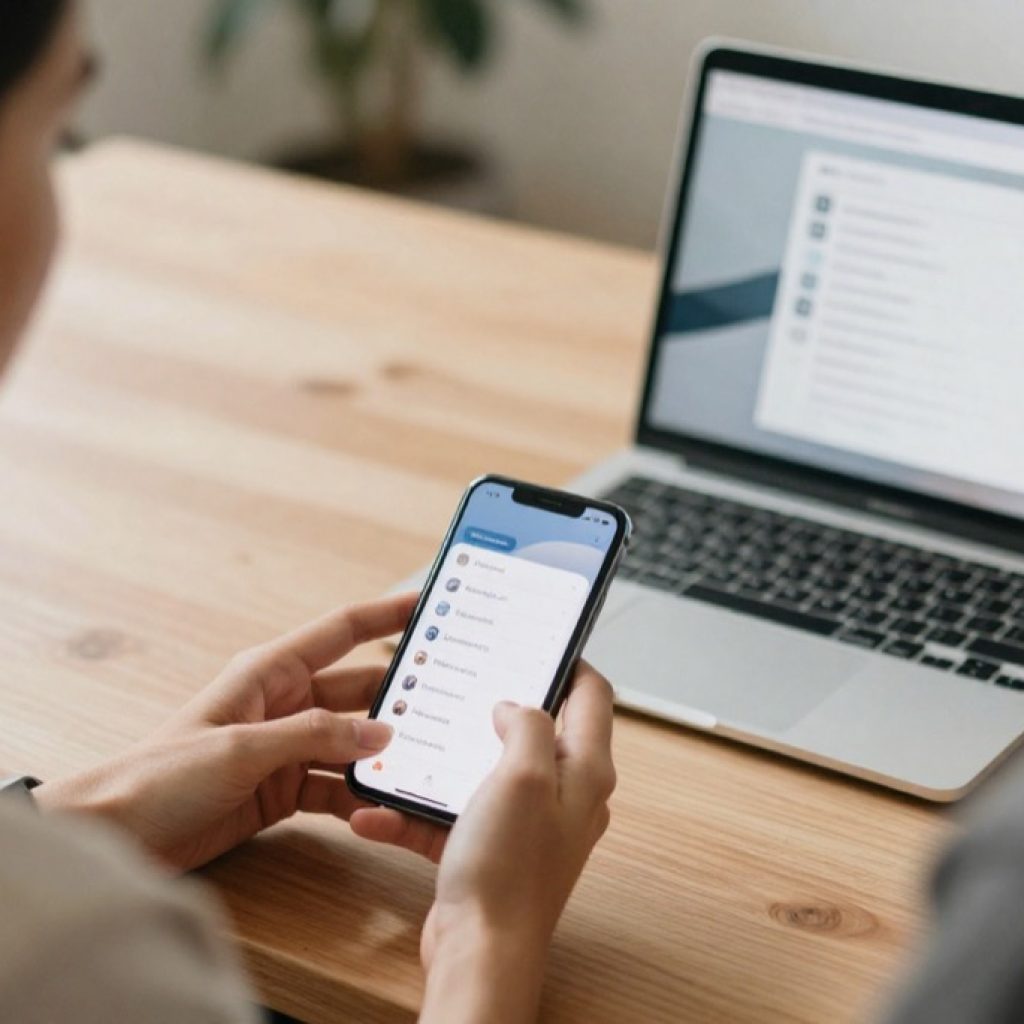
Une solution intuitive, accessible depuis un ordinateur ou un smartphone, favorise l’adoption et limite les frictions. Plus l’outil est simple, plus il est utilisé, et plus les données collectées sont fiables.
La technologie ne remplace pas l’humain, mais elle simplifie l’organisation et libère du temps pour des tâches à plus forte valeur ajoutée.
Réservation au bureau et collaboration
Contrairement à certaines idées reçues, la réservation ne nuit pas à la collaboration. Au contraire, elle peut la renforcer. En permettant aux équipes de coordonner leurs jours de présence, elle facilite les échanges et les projets communs.
Les collaborateurs choisissent de venir au bureau lorsque cela a du sens, par exemple pour des réunions, des ateliers ou des moments de cohésion. Le bureau devient alors un lieu de rencontre et de création, plutôt qu’un simple espace de présence obligatoire.
Cette approche redonne du sens au travail sur site.
Un levier pour attirer et fidéliser les talents
Les attentes des salariés ont évolué. Flexibilité, autonomie et confiance sont devenues des critères majeurs, notamment pour les nouvelles générations. Proposer un système de réservation au bureau clair et équitable envoie un signal positif.
Cela montre que l’entreprise s’adapte aux nouveaux modes de travail et prend en compte les besoins réels de ses équipes. Dans un contexte de tension sur le marché de l’emploi, ces éléments peuvent faire la différence.
L’organisation des espaces devient ainsi un outil de marque employeur à part entière.
Anticiper l’avenir du travail
Le travail hybride n’est pas une tendance passagère. Il s’inscrit dans la durée et continuera d’évoluer. Les entreprises qui réussissent sont celles qui mettent en place des systèmes flexibles, capables de s’adapter rapidement.
La réservation au bureau n’est pas un projet ponctuel, mais un processus évolutif. Elle permet d’ajuster l’organisation en fonction des usages, sans remettre en cause l’ensemble du modèle.
C’est une base solide pour construire le bureau de demain.
Conclusion
La réservation au bureau est devenue un pilier de l’organisation du travail moderne. Elle répond à des enjeux concrets de flexibilité, d’optimisation des espaces et de qualité de vie au travail.
En structurant l’accès aux postes de travail et en s’appuyant sur des données fiables, les entreprises transforment le bureau en un espace plus utile, plus agréable et mieux aligné avec les attentes actuelles. Une évolution nécessaire pour accompagner durablement le travail hybride.